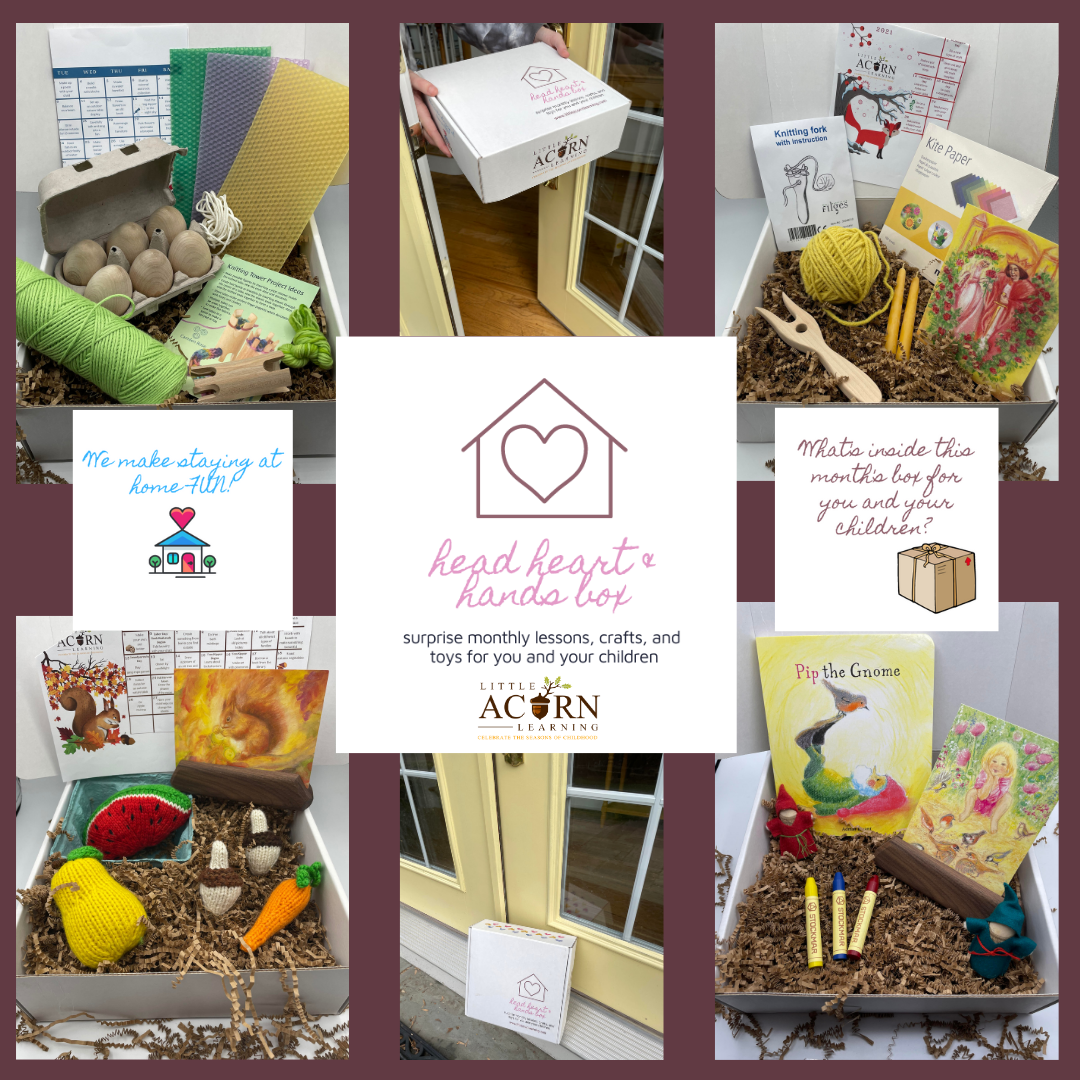
I've been so extremely busy with Little Acorn Learning and while I love each and every moment of it, it is a challenge juggling my time between writing, adding new products, advertising, and now launching our Head, Heart & Hands Monthly Subscription Boxes.
Sometimes I wonder if blogging is still worth the time and effort with everything really on social media now, but I've written in this space for so long that it is hard to let it go. It also provides me with a larger platform to share lessons like this below. So for now, I will continue. I do hope it reaches and helps some of you.
Yesterday and today I put most of my energy into continuing to write the Second Grade Curriculum. I am working very hard to create my curriculum in a way that fosters love, tolerance, acceptance and unity... as our world needs it oh so badly and the truth of the matter is that it will eventually be up to these little people now in our care. All we can do is provide them with as much as we can now to prepare them.
In addition to all of the regular Waldorf second grade academics and activities expected in the curriculum, I have tried to bring more diversity to Little Acorn Learning. I spent a week on learning about a different Native American Tribe in detail and now, I have begun focusing on a different religion each week for the parent or teacher to bring to the child. So far, we have covered Judasim, Islam, Christianity and this week I am writing about Buddhism. It really is amazing to learn how much these religions have in common.. MUCH more than they differ. My hope is that is not only speaks to our children but also to you.
I try not to share too much of the curriculum in this space but I do feel this is such an important task we have as caregivers of children. How do we put aside our own bias and prejudice (recognized or unrecognized) and bring truth about people who are different than us into our homes? I hope I'm doing my little part to help with these difficult topics.
Below I will share some information about how to bring this diversity learning into your teaching and also two stories. One is a story for older children called Siddhartha and the Swan that I am including in the Second Grade program. The other is a simple little tale for little ones called The Six Swans. While it is not Buddhist, I thought it would be nice for families with mixed ages to have a similar theme.
Also here is a link to make Paper Swans with your children.
Have a beautiful weekend.
Eileen
Learning About Different
Religions: Buddhism
Bridging differences in
our world is so very important. Teaching our children to respect and understand
those who are different from them will help foster tolerance, understanding,
and empathy.
Begin by talking more
about your family’s belief system. You may already belong to a church or have
religious customs that your child is aware of. If you are not religious, you
may have some more spiritual or scientific beliefs that you can share with your
child or that you already incorporate into your life together.
Ask your child what they
think religion is. Take out your dictionary and see what the definition is.
Religion is basically
the belief, faith, worship, and service of a higher power. Many people call
this higher power “God” but not all do. It is a way that individuals explain
the many mysteries of life and where we came from.
Again, look up this word
with your child. Worship in religion is often prayer, going to church,
ceremonies, celebrations, and looking within and without of ourselves to find
the connection with this higher power or God.
If you are atheist or do not agree with a certain faith, do not be afraid to still share these lessons with your child. We are not trying to instill a certain belief with these discussions, we are trying to instill tolerance, understanding, and love.
Buddhism is based on the
teachings of a man named Siddhartha Guatama (the same boy in our story this
week!). He is often now referred to as the Buddha which means “Awakened One”.
He was a man who believed that the way to peace is to learn how to overcome
suffering by letting go of desire and attachment. He was full of great wisdom
and compassion.
The Buddha lived
sometime in the 5th to 4th century in Ancient India. He taught for around 45 years. Buddhism began
in India and spread to southern and eastern Asia. It is one of the major
religions of the world and has now spread widely beyond these territories.
Buddhists aim to follow
the Four Noble Truths:
1. Life involves pain and
suffering.
2. Suffering is caused by our
desires and attachments.
3. We can be free of desire and
attachments and, in turn, free of suffering. When a person is completely free
of these desires, they are in a state of nirvana.
4. The way to be free and achieve
nirvana is through the steps of the Eightfold Path (also called the Middle
Path). The middle path teaches that people should not overindulge in pleasure,
material items, etc. but they should also not deprive themselves of these
things completely. It is about finding balance.
The Eightfold Path consists of:
Right Understanding: Committing to learning and growing at a balanced pace
Right Thought: Realizing and understanding the
Four Noble Truths
Right Speech: Speaking and communicating in an honest,
compassionate, and truthful way
Right Action: Avoiding actions that cause harm to
anyone, including oneself
Right Livelihood: Choosing work or making money
in ways that do not harm
Right Effort: Continuing to try to improve and become
a better person
Right Mindfulness: Working toward seeing things
for the truth of what they are with compassion - slowing down to notice and act
appropriately
Right Concentration: Focusing on the right things,
letting go of ego and reaching enlightenment
Take
time to go over each of these. Ask your child how they feel about each of them.
People who are Buddhist
also believe in what is called Karma. Karma refers to the good or bad actions a
person takes during his or her life. Good karma brings happiness in life. Bad karma
will bring unhappiness.
Buddhist also believe in
rebirth. They believe that karma dictates where they will be reborn. This can
become a very complex conversation, especially for young children, but one
thing that is easy to comprehend is that Buddhist believe to be born human is
the highest privilege and a special chance to reach nirvana. They believe we
should cherish our life and our time here on earth and work to do good.
There are two types of Buddhism:
Theravada: This is an
older type of Buddhism and more conservative. These Buddhists believe that they
must focus on their own life to achieve nirvana.
Mahayana: This groups of
Buddhist people believe that nirvana can be reached by living a life of good
work for others.
What
things did you learn today that are different from how your family believes?
What
things are similar?